Why it matters
The IEA's assessment marks a categorical escalation in global energy risk — not a cyclical disruption, but a structural shock that threatens to overwhelm every emergency response mechanism the developed world has built since 1973.
The big picture
Iran sits at the intersection of two chokepoints: it borders the Strait of Hormuz, through which roughly 20% of global oil trade flows, and its own production capacity of approximately 3.2 million barrels per day represents supply the market cannot quickly replace. Unlike the 2022 Russia shock — where Europe had months to reroute supply chains and the U.S. SPR provided a meaningful buffer — a Hormuz disruption hits simultaneously and globally. Central banks are already navigating stubborn inflation and slowing growth; an energy shock of this magnitude removes their remaining policy flexibility.
Key details
- The IEA characterizes this as the worst energy crisis in its 50-year institutional history, explicitly surpassing both the 1973 Arab oil embargo and the 2022 Russian supply disruption in severity
- Hormuz closure or sustained threat scenarios would affect not just crude oil but liquefied natural gas shipments from Qatar, which supplies roughly 20% of global LNG — Europe's gas market would face simultaneous pressure with no Russian pipeline alternative remaining
- Strategic Petroleum Reserve capacity across IEA member nations has been materially drawn down since 2022, leaving the coordinated release mechanism that blunted previous shocks with significantly less firepower
- Every week of sustained conflict adds compounding pressure: shipping insurance premiums, rerouting costs, and refinery feedstock uncertainty translate directly into consumer fuel prices within 30–60 days
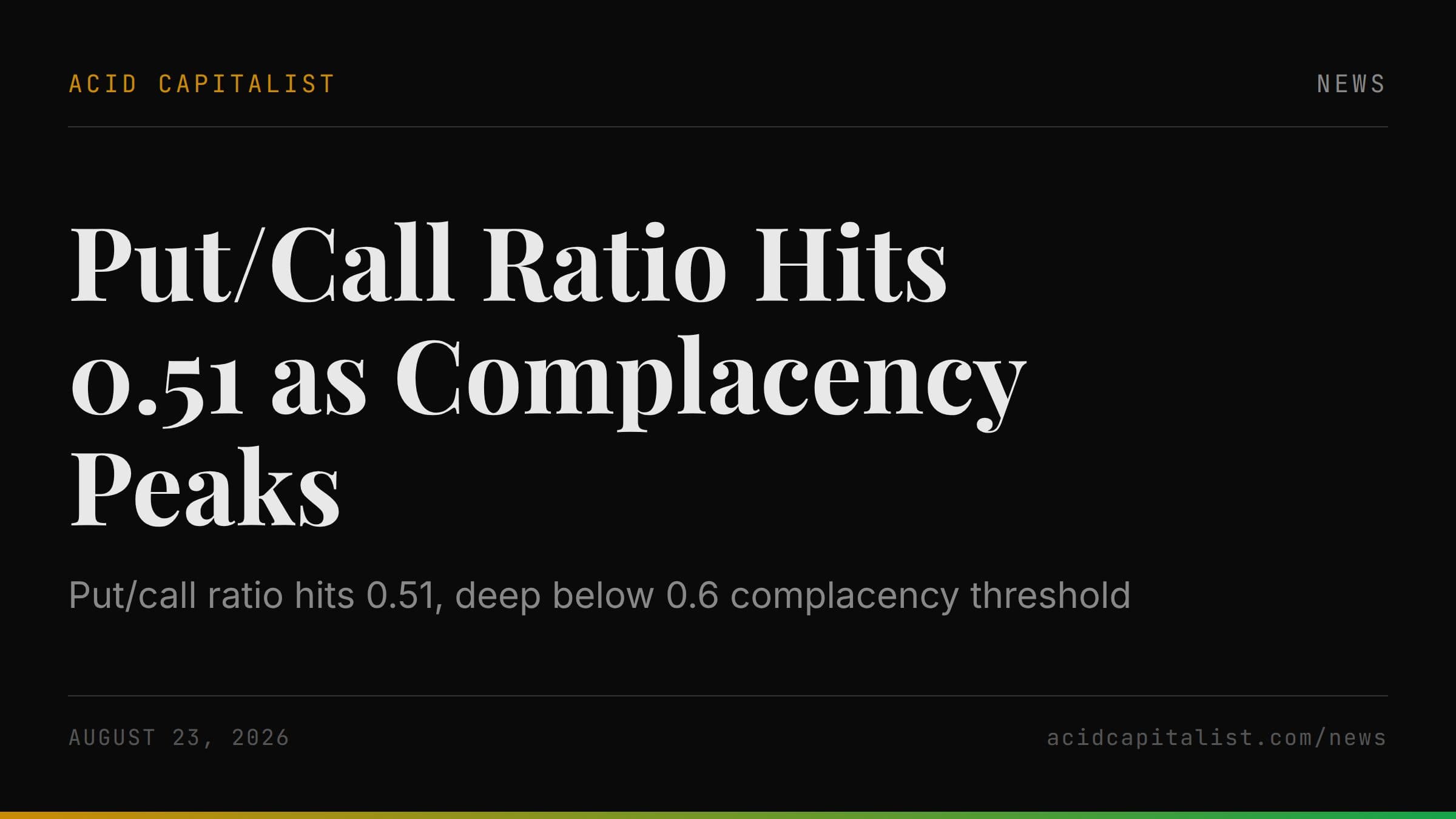
- Equity markets are currently pricing limited contagion — SPY sits at $708.72, QQQ at $646.79 — suggesting either genuine confidence in rapid de-escalation or a dangerous lag in risk repricing
What they said
"This is not a disruption we have seen the likes of before. The scale, the simultaneity, the geographic concentration — it exceeds our modeling for prior crisis scenarios."
"The question is no longer whether this affects energy prices globally. It does. The question is how long it lasts and whether consuming nations can coordinate a response before demand destruction does the work instead."
— IEA officials, as reported by Reuters
The bottom line
The IEA is not given to hyperbole — when the agency that was built specifically to manage oil crises says this one is unprecedented, the market's current calm is either informed or complacent, and the data strongly suggests the latter. If Hormuz throughput is disrupted for more than 30 days, the arithmetic on inflation, rate policy, and corporate margins rewrites itself entirely.
Bias flag
Reuters / IEA: The IEA is a Paris-based intergovernmental body whose member states are net energy importers. Its crisis assessments historically skew toward emphasizing supply vulnerability — which serves member governments' policy interests in maintaining strategic reserves and justifying intervention. That institutional bias does not make this assessment wrong, but it means severity framing should be cross-referenced against producer-side data from OPEC and independent commodity desks before treating it as a neutral read.